91% of customer service leaders face pressure from leadership to adopt AI, according to Gartner's 2026 survey. Forrester predicts that by end of 2026, one in four brands will see a 10% improvement in self-service success rates on straightforward issues. The trend is clear: AI customer service is not a question of whether, but when and how.
But consider a second set of numbers: AI customer service refers to systems that use AI technologies—large language models and knowledge base retrieval—to automatically respond to customer inquiries, covering text chat, voice assistants, and guided flows. Qualtrics research shows AI customer service fails at four times the rate of other AI applications—nearly one in five consumers find AI customer service completely unhelpful. Here are the three most critical preparations before going live.
1. Your Knowledge Base Needs to Be Good Enough, Not Perfect
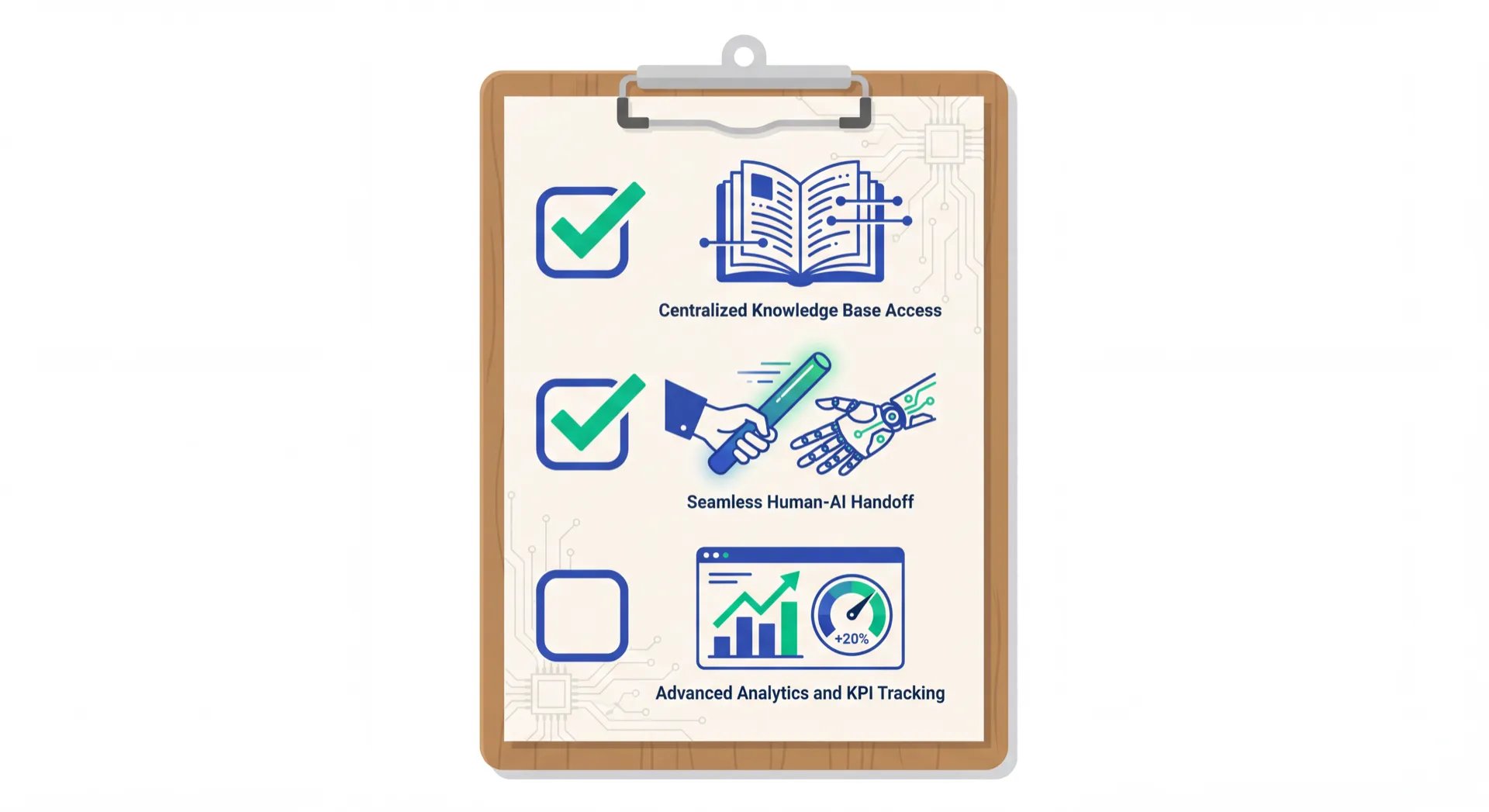
Many enterprises believe the knowledge base must be "complete" before launch, and end up spending six months preparing and still feeling unprepared. The right approach is in between: audit your customer service records from the past three to six months, identifying recurring questions, the issues causing the most customer friction, and content that requires repeated explanation. This audit typically reveals that 80% of inquiries concentrate in the Top 50 questions.
Knowledge base quality matters more than quantity. If you already have hundreds of FAQs or product documents, do not rush to load everything in—some may be outdated, contradictory, or incomprehensible. AI will not fix these problems; it will faithfully use this flawed content to answer customers. Spending one week cleaning the knowledge base beats spending one month adding hundreds more documents.
Before launch, run a stress test using real customer questions. If accuracy on the Top 50 questions is below 80%, do not launch—customers will not give you a second chance.
2. The Handoff Mechanism Matters More Than the AI Itself
79% of American consumers strongly prefer interacting with humans, and 84% believe human agents are more accurate. These numbers are not saying AI is useless—they are saying customers have very little tolerance for AI errors. When AI fails to answer well, customers need to find a human immediately.
Research shows enterprises using AI to assist human agents—rather than replace them—achieve CSAT scores 36 points higher than those that fully automate. This gap does not come from AI capability differences; it comes from handoff design.
A good handoff mechanism has three elements: First, the AI must know what it does not know—when confidence falls below a set threshold (typically 80%), it proactively tells the customer "let me connect you with a specialist" rather than forcing a potentially wrong answer. Second, handoffs must carry context—what the customer said, what the AI found, where the conversation stands must all transfer to the human agent; customers cannot be asked to start over. Third, there must be a clear escalation path—which question types go straight to a human, which try AI first then escalate, and which AI never touches (complaints, refunds).
3. Define Your Metrics Before Launch
The most common problem after AI customer service launches is not "AI performs poorly"—it is "we do not know how AI is performing." Without defining metrics before launch, you will find yourself three months later in an awkward position: budget spent, system running, but no one can clearly say whether it works.
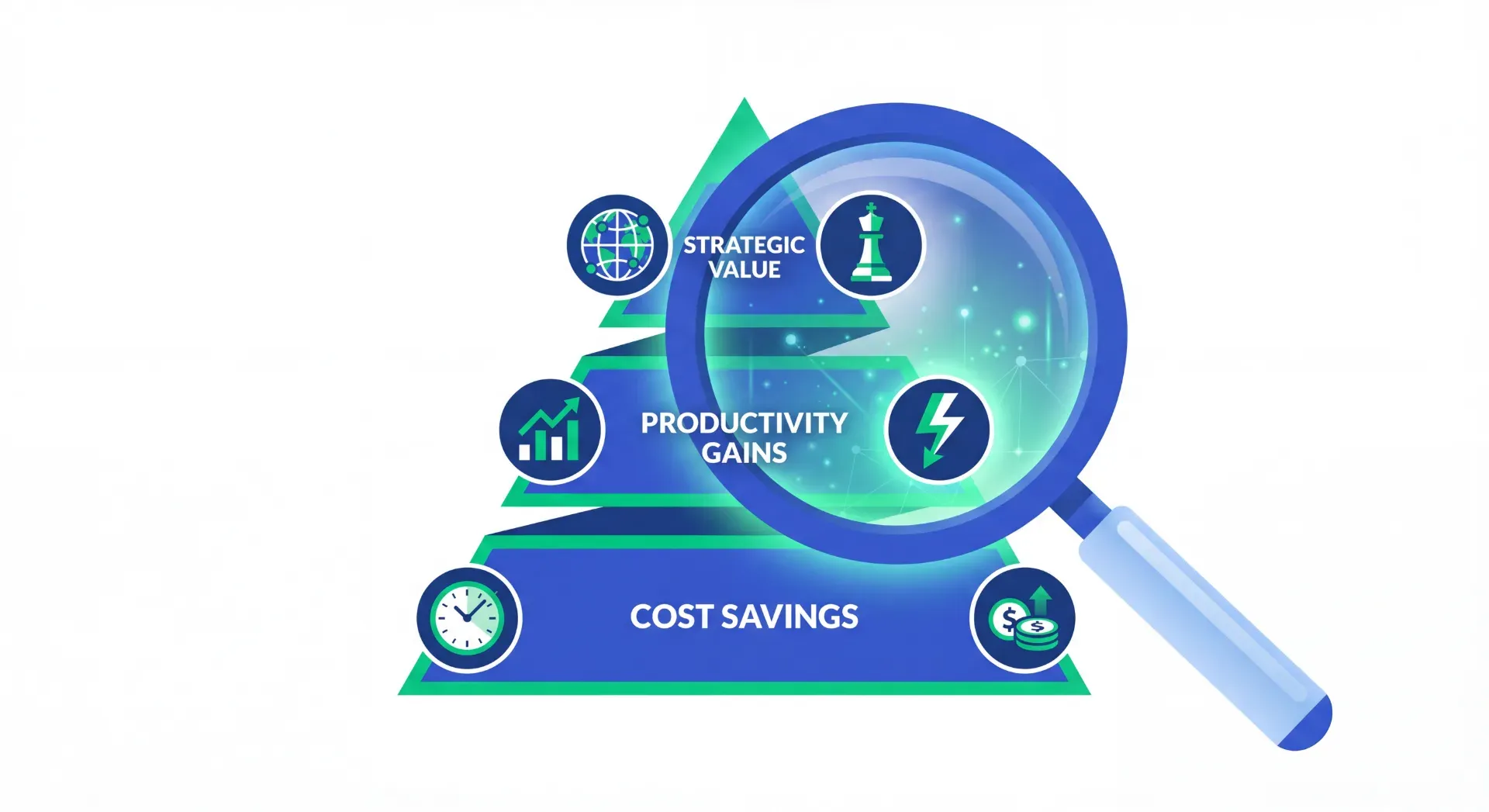
Measuring AI customer service effectiveness has three levels: Level 1: AI's own performance—answer accuracy, response time, confidence distribution, handoff rate. Level 2: Customer experience changes—whether CSAT holds or improves, whether First Contact Resolution (FCR) improves. Level 3: Business impact—customer service labor cost savings, retention rate changes. Top AI customer service systems can achieve CSAT above 87%—but only when they handle questions appropriate for AI, which brings us back to item two: the handoff mechanism.
Launch Is the Beginning, Not the End
Doing these three things well does not mean AI customer service will be perfect. It means you have a solid starting point for continuous data-driven improvement. Gartner predicts Agentic AI will autonomously resolve 80% of common customer service issues by 2029. But that future will not arrive automatically—it is built on every knowledge base update, every handoff process improvement, every metric calibration.
FAQ
How complete does the knowledge base need to be before launch?
Not perfect, but it needs to cover the Top 50 most frequently asked questions with accuracy above 80%. Launching with core answers and expanding based on customer feedback is more practical and effective than trying to be comprehensive from day one.
Will AI customer service make customers feel dismissed?
The key is the handoff mechanism. If a customer asks something AI cannot handle well and gets smoothly transferred to a human within seconds, the experience is actually better than waiting ten minutes on a traditional call. What makes customers feel dismissed is not AI itself—it is the frustration of not being able to reach a person.
Is AI customer service suitable for small teams?
Small teams benefit the most. When customer service headcount is limited, AI can handle 80% of repetitive questions, freeing your team to focus on high-value interactions that genuinely require judgment and empathy.
References
Gartner — 91% of Customer Service Leaders Under Pressure to Implement AI
Qualtrics — AI-Powered Customer Service Fails at 4× the Rate
Gartner — Agentic AI Will Autonomously Resolve 80% of Common Issues by 2029
Forrester — 2026: The Year AI Gets Real for Customer Service
Quickchat — Chatbot CSAT Score Guide (AI-assist vs replace: +36% CSAT)
Kinsta — AI vs Human Customer Service (79% prefer human interaction)