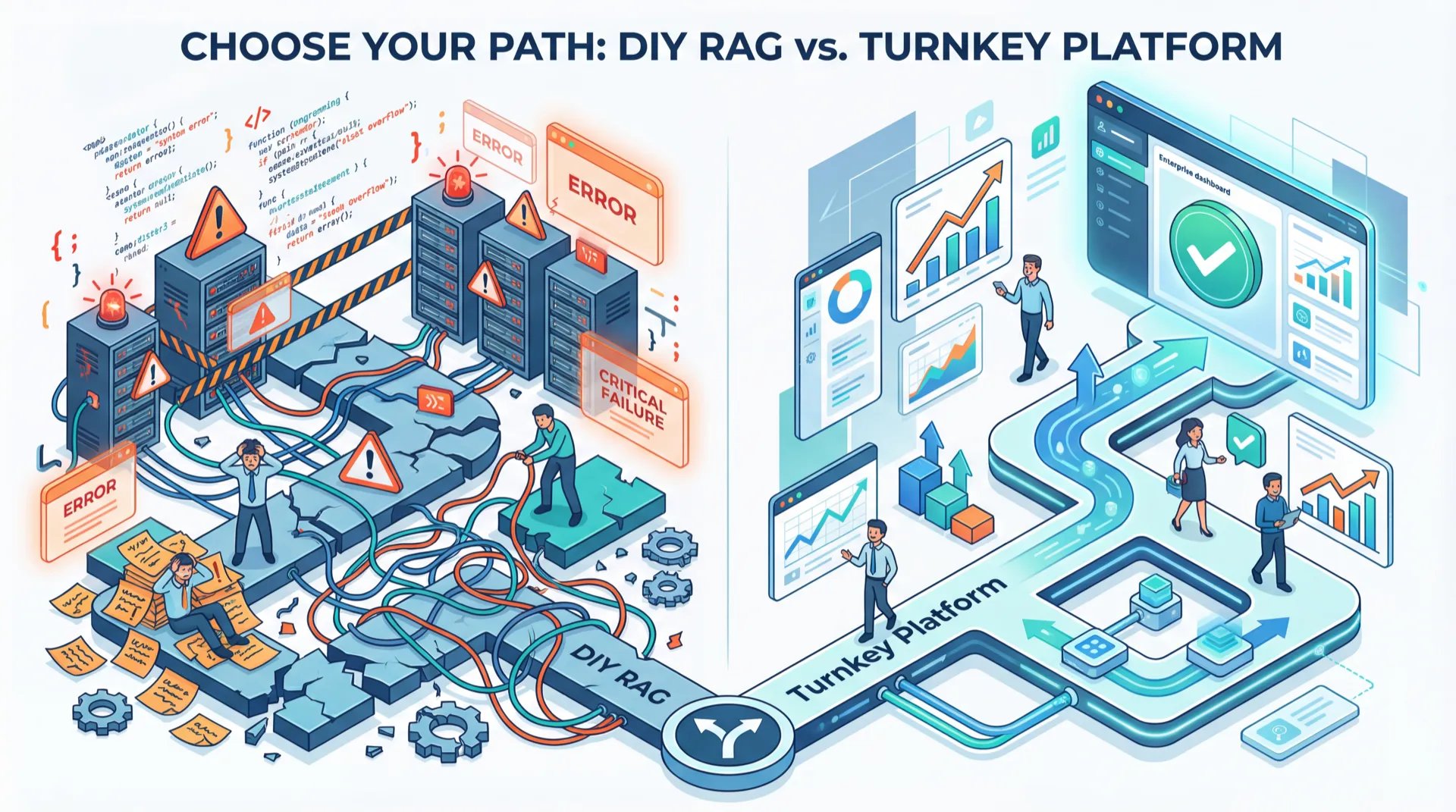
Your engineering team spent six months building an AI RAG system from scratch. Three rounds of embedding model swaps. Dozens of chunking iterations. And just when you finally shipped — Legal needed audit logs, InfoSec wanted API key governance, and IT demanded an SLA. Then came the real surprise: maintenance costs more than the build.
Gartner predicts that over 40% of enterprise AI projects will be canceled or significantly scaled back by end of 2027 — not because the technology fails, but because organizations underestimate the complexity.
What Is RAG, and Why Do Enterprises Want to Build It
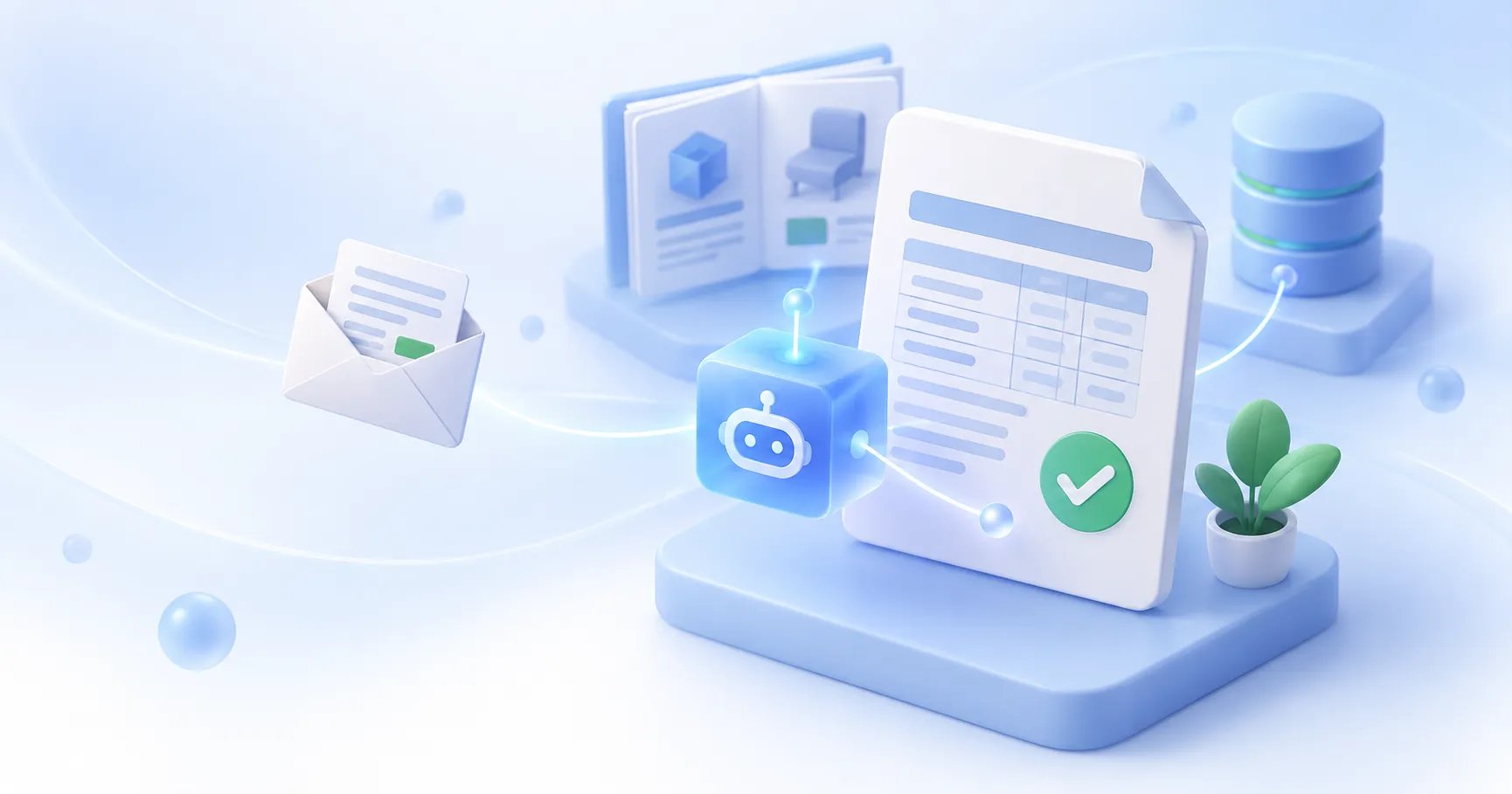
RAG (Retrieval-Augmented Generation) is a technical architecture that lets AI retrieve relevant content from an enterprise knowledge base before generating an answer. It solves the fundamental problem of large language models having no access to your company's internal data — making it the most common technical foundation for enterprise AI assistants.
Why do enterprises want to build it themselves? The reasoning is intuitive: full control over the technology, no vendor lock-in, and apparently avoiding platform licensing fees. This logic worked in traditional software. In AI systems, the hidden costs of "build" are routinely underestimated.
Three Hidden Costs of DIY RAG
"Building it ourselves is cheaper" is the most persistent AI project misconception. The licensing fee you think you're saving quietly gets consumed in three places.
First: time. From proof-of-concept to production, DIY RAG typically takes 6 to 9 months. During that window, your competitors may have already gone live with a turnkey solution and started realizing ROI. Based on MaiAgent's experience deploying across 100+ enterprises, organizations that went live within two weeks almost universally chose a platform approach.
Second: headcount. Launch day isn't the finish line — it's the start of an ongoing maintenance commitment. Model upgrades, knowledge base syncing, hallucination debugging, access management — these tasks require at least 2 to 3 full-time engineers on a sustained basis. Engineers who could otherwise be shipping your core product. McKinsey's research shows that enterprises consistently underestimate the ongoing optimization effort required after generative AI deployment.
Third: compliance. Once accuracy is handled, the next challenge appears: enterprise compliance. Audit trails, role-based access control, API key lifecycle management, data residency requirements — none of these appear in AI model documentation, but every one is a hard gate for enterprise IT procurement. In-house teams typically spend additional months retrofitting these capabilities, and every model upgrade triggers a new compliance validation cycle.
Why Your CEO's First Question Still Gets a Wrong Answer
If you've experienced this — the system goes live, the first real question comes in, and the answer is completely off — you're not alone.
IBM Research found that RAG output quality degrades significantly when queries involve multi-step reasoning or cross-source integration — and the gap widens as knowledge base complexity grows. In-house teams often iterate endlessly across chunking strategy, embedding model selection, retrieval logic, and prompt engineering without cross-industry benchmarks to guide them.
This isn't an engineering talent problem. It's that in-house teams inherently lack the pattern recognition that comes from debugging RAG across hundreds of different enterprise environments. Enterprise platforms carry that accumulated experience by default.
A Build vs Buy Decision Framework
Not every situation calls for a platform — but before building, a few questions are worth answering honestly.
Is RAG infrastructure your core competitive advantage? If yes, building makes strategic sense. If your advantage lies in your product, service, or domain expertise, building RAG from scratch is layering technical overhead onto your core business.
Can you sustain the full technical stack? That includes embedding model updates, vector database tuning, hallucination detection, and adapting to emerging architectures like Agentic RAG. If any of these are unclear, that's a risk to scope.
Are your compliance requirements fully defined upfront? Many teams discover post-launch that compliance requirements are more complex than anticipated — leading to significant rework. Surfacing these requirements early changes the math considerably.
If all three answers are "yes," building is defensible. If any answer is "not sure," starting with a platform and migrating later is the lower-risk path.
How MaiAgent Shortens Time-to-Value
MaiAgent's enterprise AI platform packages these pain points into a turnkey solution:
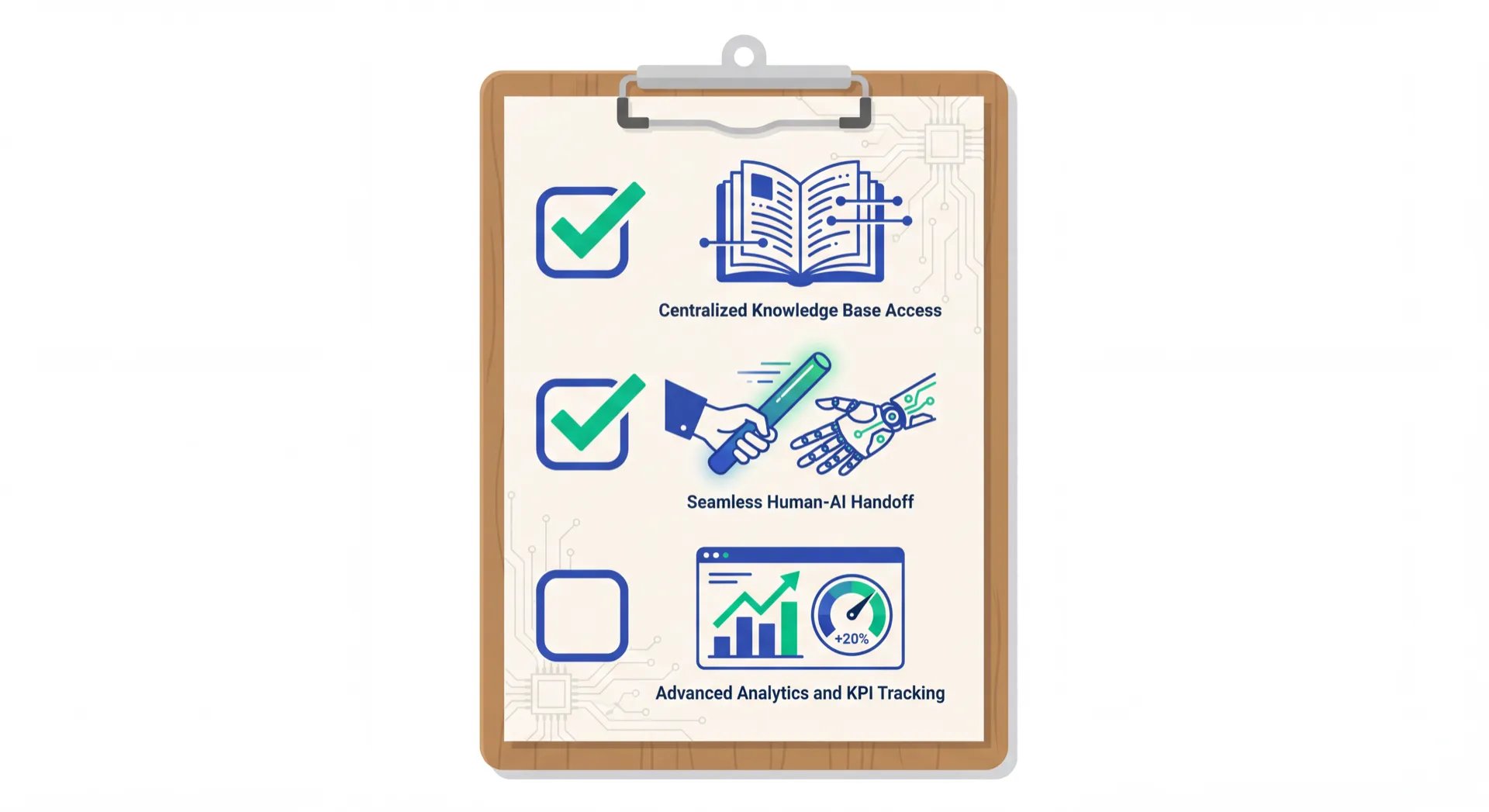
Production-ready RAG architecture — Built-in knowledge management and Agent orchestration engine, so you don't have to start from embedding models. Upload documents, build your knowledge base, and use the AI KM module for instant, traceable knowledge retrieval.
Compliance and security out of the box — On-premise deployment, full audit trails, API key governance, and role-based access control that satisfy InfoSec and Legal requirements from day one — no retrofit work required.
Go live in 2 weeks, not 6 months — With pre-built Agent development kits and industry solutions, enterprises can deploy AI applications tailored to their needs and give engineers back to the core product.
Not sure whether to build or buy for your context? Talk to a MaiAgent technical advisor — 30 minutes is usually enough to clarify the right path for your scale and requirements.
FAQ
How long does it typically take to build a RAG system in-house?
Based on MaiAgent's deployment observations, 6 to 9 months from proof-of-concept to production is typical, with 2–3 full-time engineers required for ongoing maintenance afterward. An enterprise platform can reach basic deployment in two weeks, with further customization built iteratively.
What's the real cost difference between DIY RAG and a platform?
The gap comes from three sources: ongoing engineering headcount (2–3 FTEs/year), compliance retrofit time (typically months), and the opportunity cost of delayed time-to-market. Viewed over three years, these hidden costs frequently exceed platform licensing costs several times over — and they're difficult to anticipate during initial planning.
How does an enterprise RAG platform ensure answer accuracy?
Platforms validated across many enterprises come with built-in chunking optimization, retrieval ranking, and hallucination detection — capabilities in-house teams have to build through trial and error. MaiAgent maintains above 95% answer accuracy in production knowledge bases with over 100,000 documents — a benchmark that takes in-house teams significant iteration to reach.
Can an on-premise AI platform meet compliance requirements?
Yes. MaiAgent supports full on-premise deployment with audit logging, API key lifecycle management, and role-based access control — meeting regulatory requirements for highly regulated industries like finance and healthcare right out of the box, without requiring enterprises to build a separate compliance layer.
References
1. Gartner — Over 40% of Agentic AI Projects Will Be Canceled by End of 2027
2. IBM Research — Retrieval-Augmented Generation (RAG)
3. McKinsey — The State of AI 2024
4. NVIDIA — RAG 101: Demystifying Retrieval-Augmented Generation Pipelines